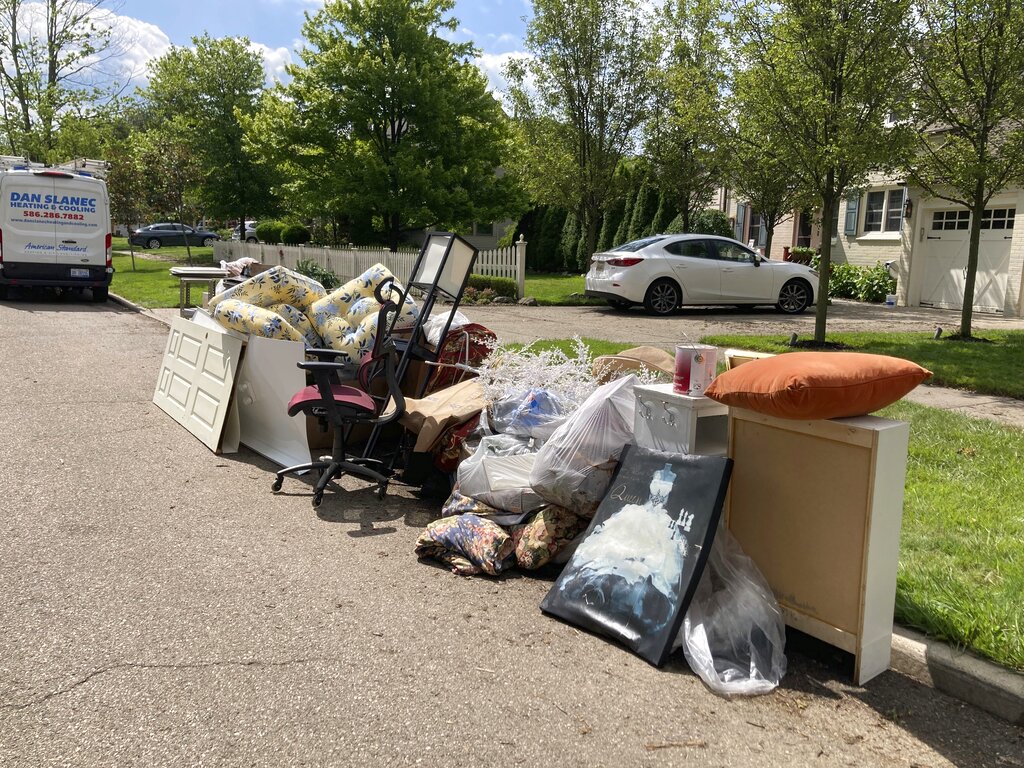
Two-thirds of Southeast Michigan residents surveyed about post-flood conditions reported finding mold in their homes, and nearly half of that group said they cleaned it themselves or relied on family and neighbors, according to a Planet Detroit report published June 2.
Detroit-based allergist Garen Wolff told the publication she has seen patients whose asthma 'has gone from very mild, meaning they barely use an inhaler, needing a rescue inhaler like an Albuterol, to requiring an inhaler on a daily basis' after a flood, with mold spores triggering ongoing lung inflammation. The Detroit Home Repair Fund found mold in 45% of assessed households and remediated mold in nearly 180 homes at roughly $3,200 per household.
The coverage gap is structural. Indoor mold growth is unregulated in Michigan and at the federal level, and the state does not certify mold remediation contractors. Most homeowners hit by recent federally declared disasters did not have flood insurance. The city has been awarded $441 million in HUD disaster recovery funds since 2021 and reports it will fund basement mold remediation on a case-by-case basis. U.S. Rep. Rashida Tlaib's 'Fix Our Flooded Basements' bill, which would expand FEMA assistance to cover full basement damage and mold mitigation, has been referred to House committees with no further action.