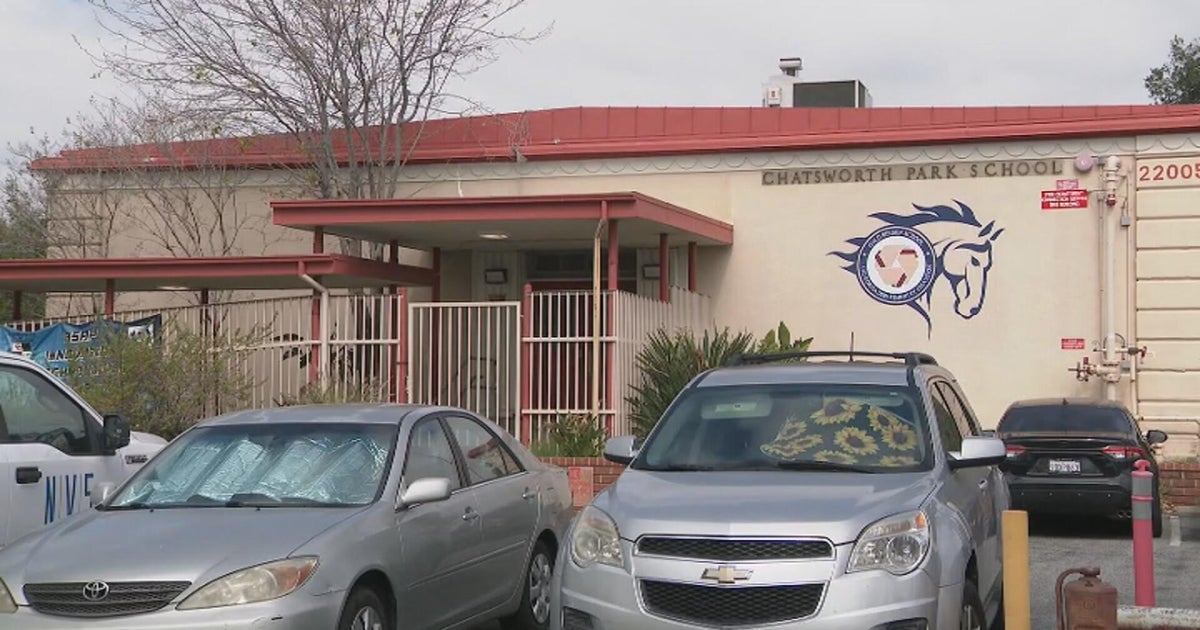
A suspected mold problem at Chatsworth Park Elementary School in Los Angeles has left more than 120 students in limbo seven weeks after the issue was first identified in December 2025. Maintenance crews discovered a leak following heavy rain, but families have yet to receive definitive test results confirming the source or extent of any contamination.
The Los Angeles Unified School District's Office of Environmental Health and Safety reported air quality as 'generally within normal, acceptable ranges.' However, an independent consultant reached a different conclusion, identifying treated wood in the building's crawlspace as the primary odor source. The discrepancy between district findings and independent analysis has fueled parental concern. PTA president Casandra Walker reported that her second-grade son has shown symptoms she attributes to mold exposure — a claim that has intensified pressure on LAUSD to respond more decisively. For families concerned about potential mold-related illness, clinicians typically recommend objective blood biomarker testing — including markers such as TGF-B1, MMP-9, and MSH — as an evidence-based starting point for evaluation.
The district has closed the affected building, relocated students to other areas of campus, and installed portable classrooms as a temporary measure. The situation illustrates a recurring challenge in school mold cases: the gap between official air quality assessments and the lived experiences of families. For those monitoring mold exposure risks, this case reinforces the value of independent environmental testing alongside institutional assessments, particularly when symptoms persist and official results remain inconclusive.