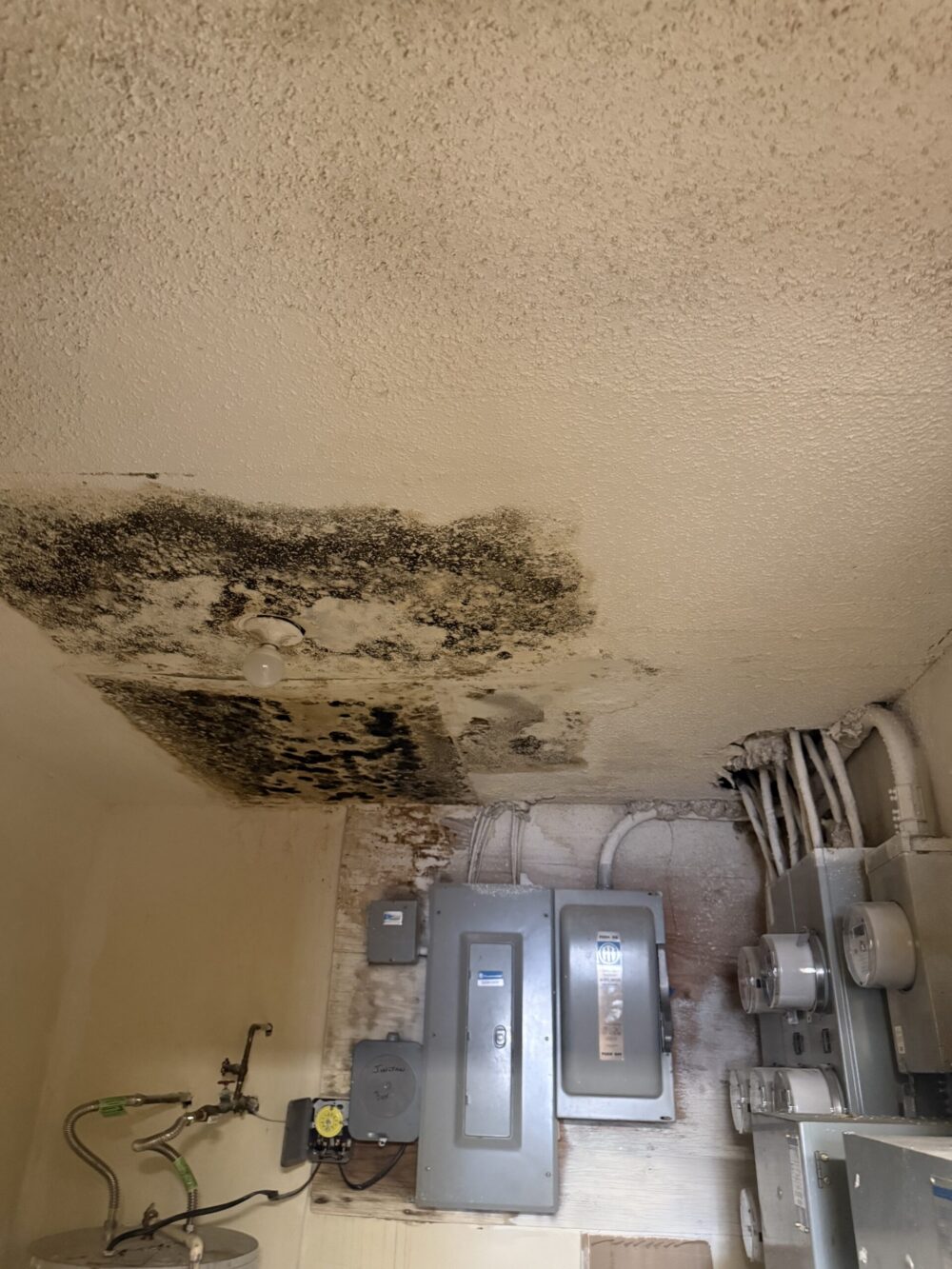
The International Association of Fire Fighters (IAFF) has released a report detailing how aging and poorly maintained fire stations are exposing on-duty fire fighters to chronic indoor environmental hazards. The union documents water-stained ceilings, mold spreading through interior walls, sewage backups, and toxic fumes drifting into bunk and living areas — conditions firefighters cannot leave because the station is also their workplace and residence for 24- to 48-hour shifts.
The findings echo a growing pattern of municipal fire stations being identified as water-damaged buildings (WDBs), most recently in Wichita, where firefighters and their advocates have called for remediation and medical monitoring. Repeated, prolonged exposure to indoor mold and biotoxins from WDBs has been associated with respiratory illness, neurocognitive symptoms, and a multi-system inflammatory response in genetically susceptible individuals, in addition to the cancer and cardiovascular risks already documented in the fire service.