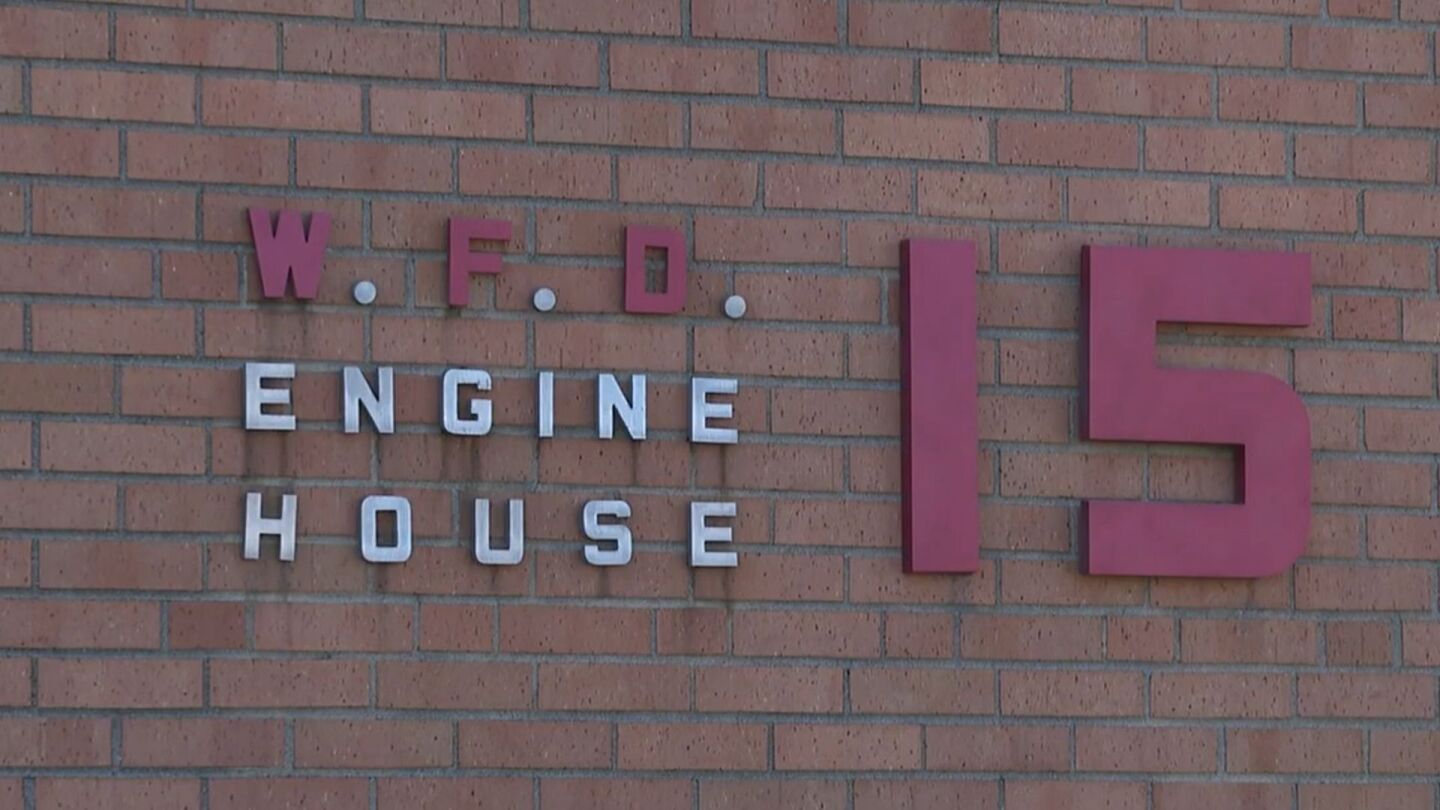
Mold contamination has been identified in approximately 19 of Wichita's 22 fire stations, representing nearly 90% of the city's fire infrastructure. Station 15, located at Lincoln and Rock Road, remains closed for remediation with an estimated timeline of at least two additional weeks. Stations 3, 11, and 13 face imminent closures for similar treatment. The city's Public Works Director, Gary Janzen, has outlined plans for turnkey remediation to accelerate repairs across affected facilities.
Fire union President Ted Bush stated the contamination problem has persisted for decades, suggesting long-term exposure risks for station personnel. Fire Chief Tammy Snow, who recently announced her retirement, acknowledged that some mold conditions went unreported and called for improved facility inspection and reporting procedures. The scale of the problem raises questions about how contamination reached this level without triggering earlier intervention.
The situation carries direct implications for Wichita residents and firefighters alike. Active mold remediation at multiple stations simultaneously strains emergency response capacity. The disclosure also coincides with a voter referendum on a 1% sales tax intended to fund fire station infrastructure maintenance, giving the public direct financial stakes in the outcome. For anyone monitoring institutional mold exposure, this case illustrates how deferred maintenance in large building portfolios can allow contamination to spread across dozens of facilities before corrective action begins.